


Products
Quick Links
About US
FAQ

Copyright © 2026 BGM Co.,Ltd



Views: 0 Author: Site Editor Publish Time: 2025-11-06 Origin: Site


Backgammon is a game of skill and strategy. Did you know that understanding certain rules can significantly impact your gameplay?
One such rule is the 25% rule, which plays a crucial role in decision-making during matches.
In this post, you’ll learn what the 25% rule is and how it can enhance your backgammon strategy.
The 25% rule in backgammon is a strategic guideline that helps players determine their movements. Essentially, it states that players should aim to move their checkers to a point that is at least 25% of the total distance to their home board. This can be particularly useful when deciding how to move checkers during a turn.
For example, if a player has checkers on the opponent's side of the board, they should consider how many spaces they can move that will bring them closer to their home board. By applying the 25% rule, players can make informed decisions about which checkers to advance and how far to move them.
When moving checkers, players should visualize the board layout. The 25% rule encourages players to think strategically about each move. Here’s how it works:
● Distance Calculation: Determine the distance from your checker to your home board.
● Movement Choices: Aim to move your checker at least 25% of that distance.
● Strategic Positioning: This approach can help you position your checkers more effectively against your opponent.
So, why is the 25% rule important? It plays a critical role in enhancing overall gameplay. Understanding this rule can give players a strategic edge.
1. Improved Decision-Making: The rule helps players evaluate their options quickly. By understanding the 25% guideline, players can make better decisions about their moves.
2. Risk Management: It allows players to assess risks when moving checkers into potentially vulnerable positions. This is essential for maintaining control over the board.
3. Game Flow: Following the 25% rule can lead to a smoother game flow. Players who understand this rule are likely to make more strategic moves, keeping the game engaging.
The 25% rule influences how players approach each turn. Here are some key points to consider:
● Strategic Planning: Players often plan several moves ahead. The 25% rule helps them visualize their checker movements more effectively.
● Opponent's Moves: Understanding this rule also allows players to anticipate their opponent's strategies. Knowing how far checkers can move can help in countering moves effectively.
● Tactical Advantages: By adhering to the 25% rule, players can create tactical advantages. For instance, they can block opponents or set themselves up for a successful bear-off.
Incorporating the 25% rule into your backgammon strategy can significantly enhance your gameplay. Understanding its definition and purpose is essential for any player looking to improve their skills.
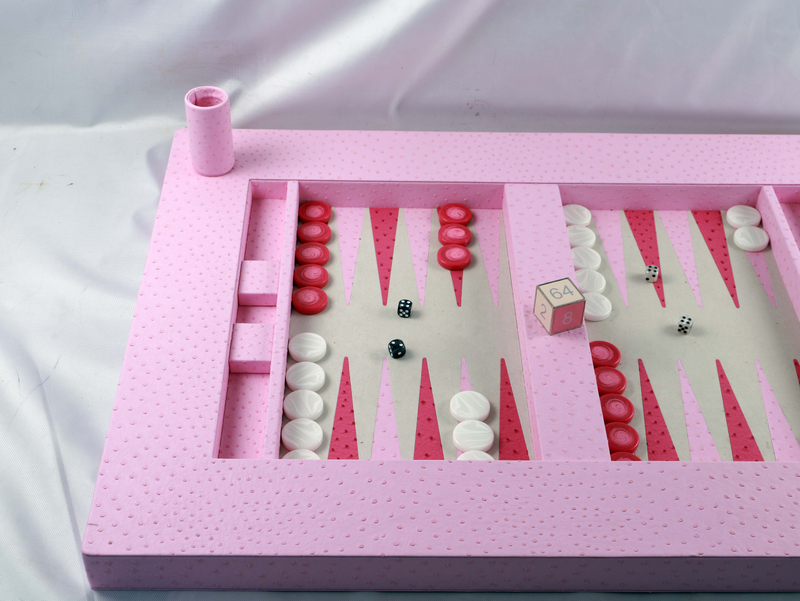
The 25% rule in backgammon has roots that trace back to the game's ancient origins. Backgammon itself is one of the oldest board games, with a history spanning thousands of years. The strategic elements of the game have evolved, and the introduction of rules like the 25% rule reflects this progression.
This rule emerged as players sought more structured strategies for movement. As backgammon transitioned from its early forms, players began to recognize the importance of managing their checkers effectively. The 25% rule became a guideline to help players make informed decisions about advancing their pieces toward the home board.
Backgammon has seen many changes throughout its history. Here’s a brief overview of how its rules have evolved:
● Ancient Beginnings: Early versions of backgammon were played in Mesopotamia and Egypt, focusing more on chance than strategy.
● Medieval Adjustments: As the game spread through Europe, rules began to formalize, emphasizing strategic play.
● Modernization: In the 20th century, standardized rules were established, including the introduction of the 25% rule to enhance strategic depth.
Understanding how the 25% rule fits within the broader context of backgammon rules is essential. This rule stands out for its focus on movement strategy, but it interacts with several other key rules.
The 25% rule is unique in its emphasis on movement distance. Unlike some rules that focus on capturing or blocking, this rule prioritizes the strategic advancement of checkers. Here’s how it differs:
● Movement vs. Capture: While many rules emphasize capturing opponent checkers, the 25% rule is about optimizing your own moves.
● Strategic Planning: It encourages players to think ahead about how far to move, contrasting with rules that react to opponents' actions.
Several other rules in backgammon complement or contrast with the 25% rule. Here are a few notable examples:
● The Bar Rule: This rule allows players to re-enter checkers from the bar, affecting movement strategies. It can influence how players apply the 25% rule when considering re-entry distances.
● Blotting: The rule of blotting permits players to hit opponents' single checkers. Understanding when to apply the 25% rule can help players decide whether to advance or protect their own pieces.
● Bear-off Rule: This rule governs how players remove their checkers from the board. The 25% rule can guide players on when to begin bearing off, ensuring they maintain a strategic advantage.
Incorporating the historical context of the 25% rule into your understanding of backgammon enriches gameplay. By recognizing its origins and how it interacts with other rules, players can enhance their strategic approach on the board.
Applying the 25% rule during a game of backgammon can significantly enhance your strategy. Here’s a simple step-by-step guide to help you integrate this rule into your gameplay.
1. Assess the Board: Before making any moves, take a good look at the board. Identify where your checkers are located and how far they need to travel to reach your home board.
2. Calculate Distances: Measure the distance from your checker to the nearest point in your home board. The 25% rule suggests moving at least a quarter of that distance. For example, if a checker is 12 spaces away, aim to move it at least 3 spaces forward.
3. Choose Your Move: Decide which checker to move based on your calculations. Prioritize advancing your checkers while considering the position of your opponent’s pieces.
4. Make Strategic Decisions: As you apply the 25% rule, think about how your moves will affect future turns. Will this move put you in a better position for the next round?
For those new to backgammon, here are some helpful tips to make the most of the 25% rule:
● Practice Visualization: Get comfortable visualizing the board and distances. This skill will help you make quicker decisions during gameplay.
● Start Slow: Don’t rush your moves. Take your time to analyze the board and apply the 25% rule thoughtfully.
● Learn from Others: Watch experienced players and see how they implement the 25% rule. Observing different strategies can deepen your understanding.
Even seasoned players can stumble when applying the 25% rule. Here are some common pitfalls to watch out for:
● Ignoring Distance: One frequent mistake is not accurately calculating the distance to the home board. Always double-check your math to ensure you’re applying the rule correctly.
● Overextending Checkers: Players sometimes move their checkers too far without considering the risk. Remember, advancing is important, but protecting your pieces is equally crucial.
● Neglecting Opponent’s Moves: Focusing solely on your own strategy can lead to errors. Keep an eye on your opponent’s movements and how they might affect your application of the 25% rule.
Recognizing mistakes while playing can be challenging, but here are some strategies to help:
● Self-Reflection: After each turn, briefly assess whether you applied the 25% rule correctly. If something feels off, take a moment to reconsider your move.
● Ask for Feedback: If you’re playing with friends or family, don’t hesitate to ask for their input. They might spot mistakes you overlooked.
● Review Games: After completing a game, review your moves. Identify where you may have misapplied the 25% rule and think about how to improve next time.
By implementing the 25% rule effectively and avoiding common mistakes, you can enhance your backgammon skills. This approach not only makes the game more enjoyable but also boosts your chances of winning.
The 25% rule plays a crucial role in shaping your overall strategy in backgammon. Understanding how to integrate this rule into your gameplay can significantly enhance your effectiveness on the board.
At its core, the 25% rule encourages players to think strategically about their movements. By focusing on advancing checkers at least a quarter of their total distance, you create opportunities for better positioning. This approach not only helps in moving towards your home board but also in setting up future moves.
For example, if you have a checker 16 spaces from home, moving it forward by at least 4 spaces can open up options for subsequent turns. This strategic foresight can lead to advantageous positions, allowing you to respond effectively to your opponent's moves.
Several scenarios highlight the benefits of applying the 25% rule:
● Endgame Strategy: As you approach the endgame, using the 25% rule can help you bear off checkers more efficiently. By ensuring you move your pieces steadily towards home, you minimize the risk of leaving checkers vulnerable.
● Blocking Opponents: When your opponent is close to bearing off, applying the 25% rule can help you position your checkers to block their moves. This tactic can disrupt their strategy and give you a competitive edge.
● Creating a Stronghold: If you find yourself in a position to create a stronghold, using the 25% rule to advance your checkers can fortify your position. This strategy can deter your opponent from making aggressive plays against you.
For experienced players, leveraging the 25% rule involves a deeper understanding of the game dynamics. Here are some advanced techniques to consider:
● Anticipate Opponent Moves: Skilled players should always think ahead. By anticipating where your opponent might move, you can apply the 25% rule to counter their strategy effectively.
● Flexible Movement: While the rule suggests moving a quarter of the distance, experienced players know when to adapt. Sometimes, it may be beneficial to move less than 25% to maintain a defensive position or to set up a more strategic play.
● Utilize Dice Rolls Wisely: Understanding how to maximize your dice rolls in conjunction with the 25% rule can be a game-changer. For instance, if you roll a high number, consider how best to apply the rule while also capitalizing on your roll.
Here are a couple of high-level strategies that effectively incorporate the 25% rule:
● The Two-Pronged Approach: Players can advance two checkers simultaneously using the 25% rule. This strategy can create pressure on opponents while maintaining flexibility in your game plan. For instance, if one checker is nearing the home board, the other can be positioned to block your opponent.
● Reverse Strategy: In certain situations, moving a checker backward by applying the 25% rule can be advantageous. This tactic can confuse opponents and disrupt their plans, especially if they are not expecting such a move.
By mastering these strategies involving the 25% rule, players can significantly improve their backgammon gameplay. The key lies in understanding how to apply the rule creatively and strategically, allowing for a more dynamic and engaging experience on the board.
The 25% rule in backgammon isn’t universally applied; it can vary significantly across different cultures and regions. Understanding these variations can enhance your gameplay and strategy.
In some regions, players might interpret the 25% rule more flexibly. For instance, in Middle Eastern countries, players often emphasize aggressive play, which may lead to a more liberal application of the rule. Here, the focus might shift from strict adherence to the 25% guideline to prioritizing offensive moves that disrupt the opponent’s strategy.
Conversely, in European tournaments, the 25% rule is often strictly enforced. Players are expected to adhere closely to the guideline as a way to maintain fairness and consistency in gameplay. This strictness can create a more tactical game, where every move is calculated based on the prescribed distances.
Local rules can dramatically alter how the 25% rule is perceived and applied. For example:
● In Turkey, players often play a variant known as "Tavla," where the 25% rule might be less rigid. Players may choose to move checkers based on situational advantages rather than strictly adhering to the distance.
● In the United States, casual games might see players interpreting the 25% rule more loosely, allowing for creative strategies that could deviate from traditional guidelines. This can lead to a more relaxed atmosphere but may confuse players accustomed to formal rules.
The rise of online backgammon has introduced new dimensions to the 25% rule. Digital platforms offer unique ways to engage with the game, impacting how players apply this rule.
Most online backgammon platforms incorporate the 25% rule into their gameplay mechanics. These platforms often provide tutorials and guides to help new players understand how to apply the rule effectively. For instance, many sites will highlight the minimum movement distances for checkers, ensuring players are aware of the strategic implications.
Additionally, online games typically include features that allow players to visualize potential moves. This can help reinforce the importance of the 25% rule by showing how moving a checker a quarter of its distance can open new strategic avenues.
While the core mechanics remain the same, there are notable differences between online and traditional backgammon regarding the 25% rule:
● Speed of Play: Online games often progress at a faster pace. Players may feel more pressure to make quick decisions, which can lead to less rigorous application of the 25% rule compared to the thoughtful deliberation found in face-to-face matches.
● Accessibility of Resources: Online platforms frequently provide real-time resources, such as hints or strategy guides. This can lead to a more informed application of the 25% rule, as players can quickly reference strategies or rules during gameplay.
● Community Variations: Different online communities may adopt their interpretations of the 25% rule. Some players might prefer a more casual approach, while others uphold strict adherence to traditional rules. This diversity can create a rich tapestry of gameplay experiences.
By exploring these variations of the 25% rule, players can better navigate the complexities of backgammon across different contexts. Whether you’re playing in a local setting or online, understanding these nuances can elevate your game.

When diving into the world of backgammon, the type of board you choose can greatly influence your experience. There are various options available, each tailored to different needs and preferences.
1. Tournament-Sized Boards: These boards are typically larger and adhere to official tournament standards. They provide ample space for strategic movements and are designed for serious players. The clear markings help in implementing strategies like the 25% rule effectively.
2. Luxury Sets: For those who appreciate aesthetics, luxury backgammon sets are crafted from high-quality materials, often featuring intricate designs. While they may be more expensive, they enhance the overall experience and can serve as beautiful display pieces.
3. Travel-Friendly Options: If you’re on the go, portable backgammon sets are a great choice. These compact boards are lightweight and easy to carry, allowing you to enjoy a game anywhere. Despite their size, many still maintain the essential features needed for strategic play.
Selecting the right board is crucial, especially when applying tactics like the 25% rule. A well-designed board can help players visualize moves better, making strategic planning easier.
Beyond the board itself, various accessories can significantly enhance your backgammon experience. From checkers to specialized dice, these items can improve both gameplay and strategy.
● Checkers: Quality checkers can make a difference in how easily players can move pieces. Heavier, well-crafted checkers provide a satisfying feel during play and can improve the overall flow of the game.
● Dice: The dice used in backgammon can vary in size and weight. Choosing a set that rolls smoothly can enhance gameplay, allowing for quicker decisions and better application of strategies like the 25% rule.
● Doubling Cubes: This unique accessory adds an extra layer of strategy to the game. A doubling cube can change the stakes of the game, making players think carefully about their moves and the potential risks involved.
● Scoreboards: Keeping track of scores is essential in backgammon. A good scoreboard helps players stay organized and focused on their strategies, including how they apply the 25% rule throughout the game.
Using high-quality accessories not only improves gameplay but also enhances understanding of the 25% rule. For instance, clear and durable boards make it easier to visualize movements, helping players grasp the concept of moving checkers at least a quarter of their total distance. Additionally, well-made checkers and dice can lead to more accurate and confident moves, reinforcing strategic decisions.
In summary, investing in quality backgammon equipment and accessories can elevate your gaming experience. Whether you’re a casual player or a serious competitor, the right tools can make all the difference in understanding and applying essential strategies like the 25% rule.
A: Ignoring the 25% rule can lead to illegal moves, resulting in penalties or loss of turns during a game. It disrupts the strategic flow and may give opponents an unfair advantage.
A: Yes, the 25% rule can be modified through house rules. Many players adapt the rule for casual games, allowing for flexibility based on personal preferences or regional variations.
A: In tournament play, the 25% rule is crucial for maintaining fairness and consistency. Adhering to it ensures that all players compete under the same guidelines, enhancing the competitive integrity of the game.
A: Beginner-friendly backgammon sets include travel-sized boards with clear markings and durable pieces. These sets help newcomers easily understand the 25% rule and basic gameplay mechanics.
Ignoring the 25% rule can lead to penalties, disrupting gameplay. However, players can modify the rule through house rules for casual games. In tournament settings, adhering to the 25% rule is essential for fairness and competitive integrity. For beginners, choosing user-friendly backgammon sets with clear markings can help them understand this important rule and improve their skills.