


Products
Quick Links
About US
FAQ

Copyright © 2026 BGM Co.,Ltd



Views: 0 Author: Site Editor Publish Time: 2026-03-13 Origin: Site


Backgammon is a timeless game enjoyed worldwide, and the materials used to make backgammon boards can completely change the experience. From classic hardwoods to soft leather or quiet cork, each option affects sound, durability, and style. Whether you’re a casual player or a collector, understanding which materials create smooth checker movement and long-lasting boards helps you choose the perfect set. In this guide, we’ll explore the most common backgammon board materials, how they influence gameplay, and what makes a quality board stand out.
Backgammon boards come in many materials. Each option changes how the game feels. It affects sound, durability, and appearance. Some players prefer traditional wood. Others like quieter surfaces such as leather or cork. Modern boards also include fabric, plastic, or composite materials. Each material serves a different purpose. Some focus on luxury. Others focus on portability or affordability.
Below are the materials most often used when making backgammon boards.
| Material | Main Features | Typical Use |
|---|---|---|
| Wood | Strong, classic appearance | Luxury and traditional boards |
| Leather | Soft, quieter surface | Premium or vintage sets |
| Cork | Lightweight and quiet | Casual or travel boards |
| Cloth / Fabric | Smooth checker movement | Portable boards |
| Plastic | Affordable and lightweight | Beginner or travel sets |
| Composite Materials | Durable engineered boards | Modern manufacturing |
Wood remains the most common material. Many traditional sets use hardwood. Walnut, maple, oak, and olive wood appear often. Players like wooden boards because they feel solid. They also last a long time. Wood surfaces allow checkers to move smoothly. However, dice can sound louder when they roll.
You will often see wooden boards in:
Classic handcrafted sets
Tournament-style boards
Luxury decorative sets
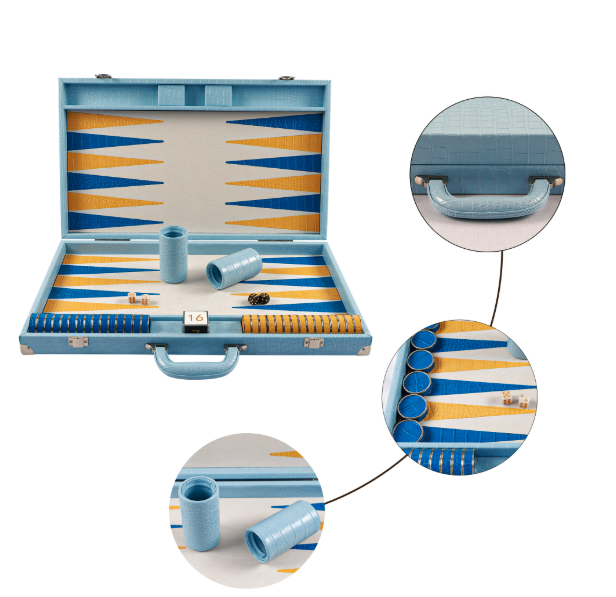
Leather boards offer a softer playing field. Dice sounds become quieter. Many antique backgammon sets use leather surfaces. It gives the board a premium appearance. Over time, leather develops a natural texture. Some collectors actually prefer this aged look. Still, leather needs care. Moisture or scratches may affect it.
Cork creates a very quiet playing surface. Dice make only a soft sound. Checkers slide easily across it. The downside appears after heavy use. Cork is softer than wood. Scratches or small dents can appear. Some players choose cork boards because they enjoy quieter games.
Fabric boards feel light and flexible. Felt or textile surfaces appear often in travel sets. They allow checkers to glide easily. Dice also land quietly. However, fabric boards usually wear faster than wooden ones. Frequent play can flatten the material.
Typical fabric board styles include:
Roll-up travel boards
Folding portable sets
Lightweight casual boards
Plastic boards focus on practicality. They are inexpensive. They are also lightweight. Many beginner sets use plastic. Travel boards often include magnetic pieces so checkers stay in place. Plastic lacks the elegance of wood. Still, it works well for everyday play.
Composite boards use engineered materials. MDF panels or layered wood veneers appear often. Manufacturers choose them because they remain stable. Warping becomes less likely. Some DIY boards also use composites. A maple veneer surface can sit on MDF. It keeps the cost lower but still looks attractive.
The material affects more than appearance. It changes how the game feels during play. Several factors matter when choosing a board.
Different surfaces create different playing sensations. Wood feels solid and traditional. Fabric feels softer. Cork produces a quieter atmosphere. Some players prefer the sound of dice hitting wood. Others prefer a quieter board.
Durability varies widely between materials.
Hardwood boards often last decades
Leather may show wear after long use
Cork surfaces may develop dents
Plastic boards resist damage but may feel lightweight
Frequent players often choose stronger materials.
Dice noise changes the mood of the game. Hard surfaces create louder sounds. Soft materials reduce them.
| Surface Type | Dice Noise Level |
|---|---|
| Wood | Loud |
| Leather | Moderate |
| Cork | Quiet |
| Fabric | Very quiet |
Some tournaments even avoid loud boards. Noise can distract nearby players.
Smooth movement keeps gameplay enjoyable. Rough surfaces may slow checkers. Raised designs may catch pieces. Good materials allow checkers to slide easily. Wood, cork, and fabric usually perform well.
A complete backgammon set includes several parts. The board surface, the checkers, and the dice all use different materials. Each one affects gameplay in a small but noticeable way. Some materials improve durability, while others focus more on appearance or comfort during play. When we look closely at these components, we can see how material choice shapes the entire playing experience.
The playing surface is the most important part of the board. It determines how the dice sound when they land and how smoothly the checkers move. Different boards use different surface materials depending on their style and purpose.
| Surface Material | Characteristics | Typical Use |
|---|---|---|
| Wood | Hard, durable, classic look | Traditional and luxury boards |
| Leather | Soft and elegant texture | Premium handcrafted sets |
| Cork | Lightweight and quiet | Casual or quiet-play boards |
| Cloth | Flexible and soft surface | Travel or portable boards |
Wood remains the most common playing surface. Many traditional backgammon boards use hardwood such as walnut, maple, or olive wood. It provides a strong and stable base, and checkers slide naturally across it. However, dice tend to sound louder on wood compared with softer materials.
Leather offers a softer playing surface and a more refined appearance. It reduces dice noise and gives the board a luxury feel. Many antique boards used leather lining, and some modern premium boards still follow that design. Over time, leather develops natural texture, which some players find appealing.
Cork creates a very quiet playing experience. Dice land softly and checkers move smoothly across it. The material feels comfortable during long games, although it may develop small dents after years of use.
Cloth or fabric surfaces appear frequently in travel boards. Felt or textile layers allow checkers to glide easily while keeping the board lightweight. These surfaces work well for portable sets, though they may wear down faster with frequent play.
Backgammon pieces, often called checkers, come in several materials. Their weight and texture can influence how the game feels during play.
| Checker Material | Characteristics | Common Use |
|---|---|---|
| Wood | Natural look and balanced weight | Premium sets |
| Plastic | Lightweight and affordable | Beginner or travel sets |
| Resin | Smooth polished finish | Mid-range boards |
| Metal | Heavy and decorative | Collector or luxury sets |
Wooden checkers are widely used in traditional sets. Light pieces often use boxwood, while darker pieces may use ebony or stained hardwood. They feel balanced in the hand and match wooden boards well.
Plastic checkers are common in entry-level sets. They are lightweight, inexpensive, and easy to produce. Travel boards sometimes use magnetic plastic pieces so they stay in place while playing.
Resin pieces offer a polished and consistent finish. Manufacturers can shape them easily and produce many colors or decorative patterns. Many mid-range backgammon sets use resin pieces because they balance durability and appearance.
Metal checkers appear less often but add a unique feel. They are heavier than other materials, which keeps them stable on the board. Luxury or decorative sets sometimes include brass or aluminum pieces.
Besides the board and checkers, every backgammon set includes dice and other accessories. These parts also come in different materials depending on the style of the set.
| Accessory | Common Materials | Purpose |
|---|---|---|
| Dice | Acrylic, resin | Used for rolling moves |
| Doubling cube | Wood, resin | Keeps track of game stakes |
| Dice cup | Leather, wood | Used to shake and roll dice |
Acrylic dice appear in many modern sets. They roll evenly and come in many colors, including transparent designs.
Wooden accessories are often included in premium boards. Wooden doubling cubes or dice match the appearance of wooden cabinets and add a classic touch.
Resin materials are also popular for dice and cubes. They provide durability and allow manufacturers to create colorful designs or decorative patterns.
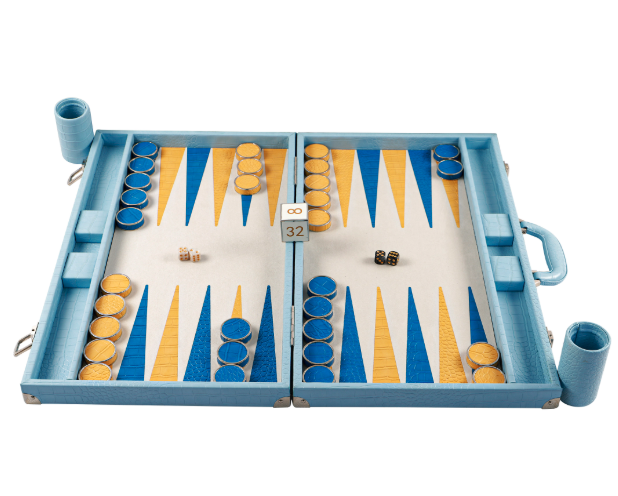
A: Wood is generally considered the best material for backgammon boards due to its durability, smooth playing surface, and classic aesthetic.
A: They offer a timeless look, solid feel, smooth checker movement, and can be crafted from premium hardwoods like walnut or maple.
A: Hardwood such as walnut, maple, or olive wood is the most durable, resisting wear while maintaining a stable, long-lasting surface.
A: Yes, leather provides a quieter surface and smooth checker movement, making gameplay comfortable and elegant, though less hardwearing than wood.
A: Cork surfaces are the quietest, absorbing dice noise and allowing smooth, soft movement of the checkers.
Backgammon boards come in many forms, from elegant wooden sets to lightweight travel options. At BGM Co., Ltd., we focus on crafting boards that balance beauty, durability, and playability. By exploring materials like walnut, maple, cork, and leather, you can find a backgammon board that fits your style. Whether for home use, travel, or display, the right choice makes every game more enjoyable. Check out our premium collections to see how material and craftsmanship create an unmatched playing experience.