


Products
Quick Links
About US
FAQ

Copyright © 2026 BGM Co.,Ltd



Views: 0 Author: Site Editor Publish Time: 2026-03-13 Origin: Site


Backgammon has captured the hearts of players worldwide, but choosing the right board can make a big difference. In this guide, we explore handcrafted backgammon boards versus machine-made backgammon sets, highlighting materials, design, and gameplay experience. Whether you’re seeking the luxury of artisan backgammon boards or the practicality of mass-produced backgammon boards, understanding their differences will help you make a confident choice. Let’s dive into the details and find the perfect board for your style and skill level.
Handcrafted backgammon boards are artisan-made pieces that combine functionality and art. Each board is individually detailed, often featuring hand-polished finishes, natural wood grain patterns, and intricate inlays. They are not mass-produced; instead, every set is unique, reflecting the skill and creativity of the craftsman.
These artisan backgammon boards often include features like engraved points, mother-of-pearl highlights, or custom-designed cases. They are ideal for players who appreciate aesthetics alongside gameplay. If you’re looking for handmade backgammon sets, these boards stand out for their visual appeal and tactile quality.
Handmade backgammon sets use high-quality, carefully selected materials. Typical choices include:
Premium Hardwoods: Walnut, mahogany, maple, rosewood. Provide strength, weight, and a smooth playing surface.
Luxury Elements: Leather coverings, metal inlays in brass, silver, or gold, and resin or bone checkers for a classic feel.
Sustainable Options: Many artisans source eco-friendly wood or use alternative ivory-like materials to reduce environmental impact.
| Material | Common Use | Benefit | Consideration |
|---|---|---|---|
| Walnut / Maple / Mahogany | Board and frame | Durable, elegant grain | Needs occasional care |
| Leather | Surface, edges, hinges | Soft touch, quiet play | Can scratch or stain |
| Bone / Resin Checkers | Playing pieces | Smooth glide, balanced weight | Resin may feel synthetic |
| Metal Inlays | Hinges, trim, decoration | Adds weight, luxurious look | Increases price |
Handmade boards provide several benefits that mass-produced options cannot match:
Unique Designs: No two boards are exactly alike. Patterns, colors, and inlays vary by artisan.
Durable and Long-Lasting: Quality materials resist wear and aging, lasting for decades.
Enhanced Gameplay Experience: Smooth surfaces and weighted checkers create satisfying play.
Collector & Heirloom Value: They often appreciate in value and become family treasures.
They not only feel premium but also add charm and character to any game room.
Despite their appeal, artisan boards have some drawbacks:
Higher Price Point: Materials and labor increase cost significantly.
Longer Production Time: Custom designs or inlay work can take weeks or months.
Requires Maintenance: Wood polishing, leather care, and careful handling are necessary.
It’s important to weigh these factors before investing in a luxury set.
Handcrafted backgammon sets are best suited for:
Serious Players: Those who want a tactile and visually satisfying gameplay experience.
Collectors: People seeking unique pieces for display or investment.
Gift-Givers: Perfect for weddings, anniversaries, or milestone birthdays.
Cultural Enthusiasts: Individuals who value tradition, craftsmanship, or historical designs.
They are more than just boards—they are conversation starters and heirloom-quality pieces.
Machine-made backgammon boards are created using automated tools and mass production techniques. Each board follows uniform designs, ensuring consistent quality across multiple sets. They are generally more affordable than artisan boards, making them accessible for casual players.
Mass-produced backgammon sets often feature precise finishes and standardized components, allowing players to enjoy reliable gameplay without investing in luxury craftsmanship. While they may lack the unique charm of handmade sets, they are practical, lightweight, and easy to maintain.
Machine-made boards typically use materials that balance cost, durability, and ease of production:
Plywood or MDF: Provides stable structure at a lower price.
Resin or Plastic Checkers: Lightweight, consistent in weight, and smooth to handle.
Vinyl or Synthetic Leather: Covers surfaces for a sleek look and quiet gameplay.
Lightweight Metals or Composite Hinges: Adds durability without bulk.
| Material | Common Use | Pros | Cons |
|---|---|---|---|
| Plywood / MDF | Board base | Affordable, stable | Less premium feel |
| Resin / Plastic | Checkers & dice | Lightweight, uniform | Less tactile warmth |
| Vinyl / Synthetic Leather | Board cover | Durable, easy to clean | Lacks luxury touch |
| Composite Hinges | Latches, edges | Functional, durable | Minimal decorative appeal |
These materials allow mass-produced backgammon sets to be portable and cost-effective while still performing well during play.
Machine-made sets offer several practical benefits:
Affordable: Significantly lower price than handcrafted boards.
Accessible: Easy to find online, in stores, or in multiple sizes.
Lightweight & Portable: Ideal for travel or outdoor play.
Consistent Quality: Smooth edges, uniform triangles, and reliable checkers.
Durable for Everyday Use: Resistant to minor scratches and frequent handling.
They are perfect for anyone who wants a functional set without spending a fortune.
While convenient, machine-made boards have trade-offs:
Less Personal: Lacks the unique character of artisan boards.
Limited Collectible Value: Not designed for heirloom or display.
Material Variety Restrained: Rare woods, metals, and intricate inlays are uncommon.
Simpler Aesthetic: Decorative options are generally basic, though functional.
For serious collectors or gifting, these boards may feel less special.
Machine-made backgammon sets are best suited for:
Casual Players: Fun at home or with friends.
Families: Durable for everyday family game nights.
Beginners: Affordable introduction to backgammon.
Travelers: Lightweight sets for trips, camping, or portable play.
They offer convenience, practicality, and consistent gameplay for people who prioritize ease over artisanal craftsmanship.
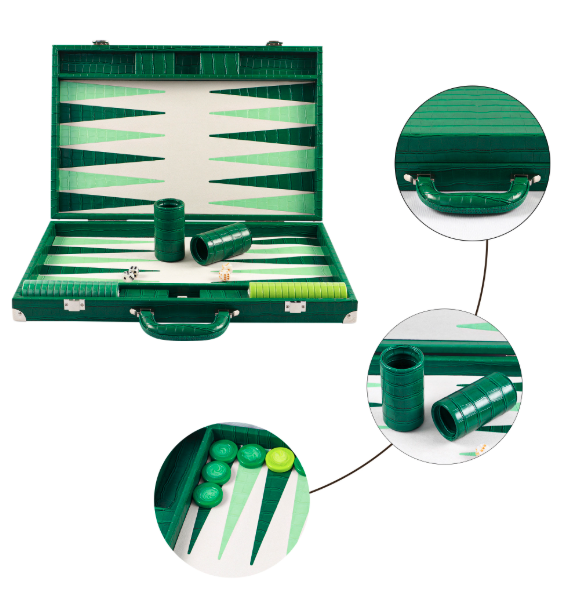
Handcrafted backgammon boards showcase unique, one-of-a-kind designs. Every inlay, wood pattern, and hand-polished finish tells a story. Artisans take hours perfecting details. Machine-made backgammon boards follow uniform, mass-produced patterns. Precision tools ensure consistent shapes, straight edges, and identical triangles across sets.
Key Difference:
Handcrafted = artistic, variable, tactile charm
Machine-made = predictable, precise, standardized
Handcrafted boards use premium hardwoods like walnut, maple, mahogany, or rosewood. Surfaces may feature leather, bone, resin, or metal inlays. Materials feel solid and luxurious. Machine-made sets typically use chipboard, MDF, resin, vinyl, or synthetic leather. These materials are lighter and more affordable but lack artisanal warmth.
| Feature | Handcrafted Boards | Machine-Made Boards |
|---|---|---|
| Wood | Solid hardwoods, rich grain | Plywood, MDF |
| Cover | Leather, polished finishes | Vinyl, synthetic leather |
| Checkers | Bone, resin, custom weight | Plastic, resin |
| Inlays & Decoration | Intricate marquetry, metal accents | Printed, minimal detail |
Handcrafted boards last decades if maintained: oiling wood, cleaning leather, avoiding moisture. They can become family heirlooms. Machine-made boards are durable for everyday gameplay, resist minor scratches, and handle frequent use. But over time, they may show wear faster, especially on synthetic surfaces.
Handcrafted = long-term investment, requires care
Machine-made = practical, low-maintenance, shorter lifespan
Handcrafted backgammon boards are premium investments. Prices reflect materials, artisan labor, and rarity. They often appreciate in value. Machine-made sets are budget-friendly, widely available, and perfect for casual players. Ideal for families or travel, without large upfront costs.
Quick Comparison:
Handcrafted: $200–$2000+ | high value, heirloom potential
Machine-made: $30–$200 | accessible, practical
Handcrafted sets offer personal engravings, themed boards, and unique inlays. Colors, materials, or logos can be chosen, making it truly yours. Machine-made boards come in standard designs. Choices usually limited to color or size, without unique personal touches.
Handcrafted = unique, giftable, collector appeal
Machine-made = functional, ready-to-play
Handcrafted boards often deliver smoother checker movement, quiet dice rolls, and a tactile sense of quality. Large boards provide a luxurious feel, perfect for long sessions. Machine-made sets are functional and consistent. Checkers and dice are precise but lighter. Some smaller sets improve portability but may sacrifice feel.
Factors Affecting Play:
Board size: 20–24 inches for home play, 12–16 inches for travel
Weight: Heavier boards = stability; lighter boards = portability
Surface texture: Wood and leather = smoother glide; synthetic = noisier, firmer
Wooden boards need gentle care to maintain their beauty. Dust it regularly using a soft cloth. Avoid abrasive materials—they can scratch the finish. For deeper cleaning, apply a small amount of wood polish or natural oil. Rub in circular motions, following the grain. This enhances color, prevents dryness, and keeps the surface smooth for dice and checkers.
Leather adds elegance but requires attention. Wipe lightly with a damp cloth, then dry immediately. For premium leather, use conditioners to prevent cracking. Metal inlays, like brass, silver, or gold accents, can tarnish over time. Clean gently with a soft brush or polishing cloth. Avoid harsh chemicals—they may dull finishes.
| Do | Don’t |
|---|---|
| Use leather conditioner sparingly | Soak leather in water |
| Wipe metal gently after play | Use abrasive scrubbers |
| Keep metal dry when storing | Apply oil directly to wood near inlays |
Portable sets need extra care during transport. Always close latches or clasps securely. Store pieces in their compartments to avoid scratches or lost parts. When moving the board, hold it flat and steady. Avoid tossing or stacking under heavy objects. For travel, a padded carrying case adds protection.
Humidity can warp wooden boards and affect leather. Keep your board in a stable, climate-controlled environment. Avoid direct sunlight or damp areas. Use silica gel packs inside storage boxes to absorb moisture.
A: Handcrafted boards are artisan-made with unique designs, premium hardwoods, leather, bone, or metal inlays. Machine-made boards are mass-produced, using plywood, MDF, resin, and synthetic materials with consistent quality but less individuality.
A: Machine-made backgammon boards are ideal for casual players, families, or beginners. They are lightweight, affordable, and durable for everyday use.
A: Yes. They offer unique designs, premium materials, heirloom potential, and a superior playing experience. Though pricier, they can last decades with proper care.
A: Premium hardwoods (walnut, mahogany, maple, rosewood), leather, resin or bone checkers, and metal inlays like brass, silver, or gold. Many artisans also use eco-friendly or sustainable materials.
A: Dust regularly with a soft cloth, polish occasionally using natural oils or wood polish, avoid abrasive cleaners, and keep the board away from excessive moisture or direct sunlight.
Choosing between handcrafted and machine-made backgammon boards comes down to your priorities. If you value artistry, unique materials, and heirloom potential, artisan backgammon boards offer an unmatched experience. On the other hand, machine-made backgammon sets provide affordability, consistency, and convenience for casual play or travel.
No matter your preference, the right board can elevate every game. Explore BGM Co.,Ltd’s collection to find boards that match your taste and lifestyle, ensuring every match is both enjoyable and memorable.