


Products
Quick Links
About US
FAQ

Copyright © 2026 BGM Co.,Ltd



Views: 0 Author: Site Editor Publish Time: 2026-03-13 Origin: Site


Backgammon has captivated players for centuries, blending strategy, luck, and social interaction into every match. Whether you’re exploring backgammon in clubs, trying your hand at casino tables, or competing in high-stakes tournaments, the game offers endless excitement. From cozy private clubs to glitzy casinos and online competitions, there’s a place for every skill level to enjoy and improve. At BGM Co., Ltd, we celebrate the game’s rich traditions while providing quality boards and accessories to enhance every experience, helping both beginners and pros play their best.
Backgammon thrives in both exclusive private clubs and open social clubs. Exclusive clubs often cater to members who enjoy a quiet, luxurious environment, while public clubs welcome anyone eager to play and socialize. Historically, places like the Sherry-Netherland Hotel and Mayfair Bridge Club were hotspots for high-profile players and elegant gatherings. Today, modern backgammon clubs exist in major cities around the world, offering casual games and serious competition side by side. They often blend tradition with modern amenities, attracting a mix of beginners and seasoned players.
| Club Type | Features | Player Experience |
|---|---|---|
| Private | Membership only, elegant décor, quiet ambiance | Focused, often competitive |
| Public | Open access, social events, flexible hours | Casual, friendly, learning-focused |
Club environments are designed to make the game enjoyable and social. Tables are usually well-spaced, boards are high-quality, and lighting is warm but bright enough for long games. Many clubs add subtle décor—artwork, plants, and comfortable seating—to create a relaxed vibe. They also encourage interaction. Players chat, discuss strategies, or simply enjoy the social energy. Networking is a big plus, especially for newcomers. Clubs often host both casual matches and competitive leagues. Some tables see quick games for fun, while others host tournaments that challenge skill and strategy.
Key points about club setups:
Boards: folding, leather, or luxury wooden sets
Dice: clean, weighted, and easy to roll
Tables: sturdy and evenly lit
Chairs: comfortable for multi-hour matches
Players in clubs follow a few unwritten rules. Respect the board, avoid distractions, and honor each match. They often shake hands before and after, discuss plays politely, and cheer each other’s successes. Sportsmanship is just as important as skill. Joining a backgammon club benefits everyone. Beginners learn faster by observing seasoned players, while pros sharpen strategies in real-life matches. Clubs often organize local tournaments, leagues, and mini-challenges. This builds community, keeps players engaged, and encourages friendly rivalries.
Tips for thriving in club play:
Observe and ask questions politely
Keep your matches fair and honest
Take part in club events regularly
Offer help to new players
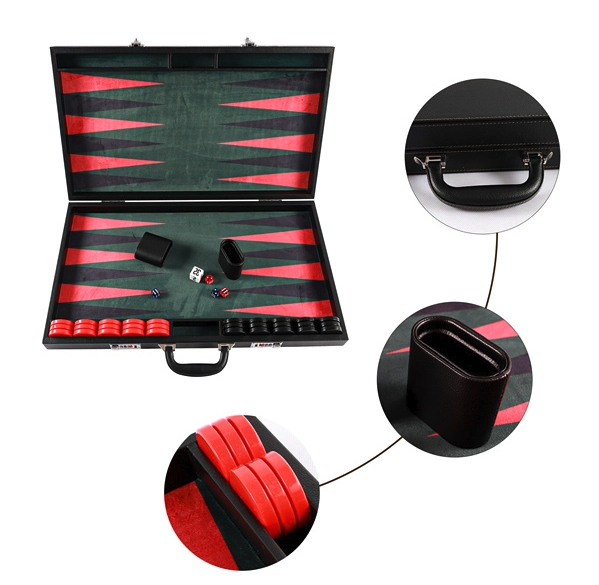
Backgammon has long been a natural fit for casinos. Its mix of skill, luck, and betting makes it exciting for both players and onlookers. High-stakes games attract professionals and wealthy amateurs alike, creating an electrifying atmosphere. Casino play differs from clubs in several ways. Tables are often surrounded by spectators, games move faster, and the stakes are much higher. While clubs focus on community and learning, casinos emphasize competition and gambling thrill. Historical casino tournaments made backgammon famous worldwide. The Monte Carlo World Championship became legendary for glamour and tough competition. In Las Vegas, tournaments drew professionals from around the globe, while the Bahamas hosted elite Pro-Am doubles events that set standards for competitive play.
Key differences: Casino vs Club
| Feature | Casino | Club |
|---|---|---|
| Stakes | High, often thousands | Low or casual bets |
| Atmosphere | Intense, fast-paced | Relaxed, social |
| Audience | Spectators common | Mostly players |
| Event Types | Professional tournaments | Local leagues, casual games |
Casino backgammon usually follows strict tournament rules. Matches start at a fixed number of points, often 17 to 25, and sometimes feature multiple rounds. The doubling cube is central to strategy, allowing players to raise stakes and apply psychological pressure. Betting strategies are crucial. Professionals weigh risk versus reward, sometimes turning small advantages into big wins. Observers often learn just by watching experienced players maneuver both dice and doubling cube. Casino etiquette is formal but unspoken. Players must respect opponents, avoid unnecessary delays, and follow the dealer or tournament director’s guidance. Sportsmanship matters as much as skill, particularly during high-stakes matches.
Casino Play Essentials:
Match format: point-based, elimination rounds
Doubling cube: used to increase stakes
Behavior: quiet focus, respect for turns
Timing: games move faster than club play
The World Championship in Monte Carlo remains a pinnacle of professional play, attracting top international players. Matches are longer, testing endurance, skill, and luck over several days. Las Vegas also has a rich history of casino backgammon. Early tournaments in the 1960s and 1970s drew celebrities and top players alike, creating a showpiece for media and fans. The Bahamas Pro-Am doubles events combined glamour, serious play, and networking for elite players.
Famous Casino Backgammon Players:
Tim Holland – Known for dominating early World Championships
Joe Dwek – Famous for tactical play in high-stakes tournaments
Prince Alexis Obolensky – Brought luxury tournaments to international attention
Event Table: Major Casino Tournaments
| Tournament | Location | Format | Notable Players |
|---|---|---|---|
| World Championship | Monte Carlo | 17–25 points | Tim Holland, European pros |
| Las Vegas Classic | Las Vegas | Varies | Joe Dwek, Amateurs & Pros |
| Pro-Am Doubles | Bahamas | Team doubles | Alexis Obolensky & Partners |
Backgammon tournaments are structured to test skill, patience, and strategy over multiple rounds. Common formats include:
Single elimination: One loss, and a player is out. Fast, high-pressure.
Double elimination: Players get a second chance through a losers’ bracket. Balances fairness and competition.
Consolation rounds: Eliminated players continue in a secondary event, keeping engagement high.
Matches usually use odd-point games, like 9, 11, or 15 points. Longer matches reward skill over luck. Near the end, the Crawford rule applies: if a player is one point from winning, the opponent cannot double the cube in the next game. Tournament play differs from casual or money games. Unlike money play, doubling is optional for gammons, and strategic depth is higher. Players must manage both the cube and scoring over several matches.
Tournament Rules Comparison
| Aspect | Casual/Money Play | Tournament Play |
|---|---|---|
| Doubling Cube | Optional, often Jacoby Rule | Strategic, Crawford rule enforced |
| Match Length | Short, informal | Structured, often 11–25 points |
| Pressure | Low, social | High, competitive |
| Scoring | Gammon/Backgammon optional | Matches tracked strictly |
Several prestigious events define competitive backgammon:
World Cup Backgammon Tournament – Held bi-annually in Dallas, matches are best-of-five, 11-point series. Consolation matches rise to 25–29 points. Only top pros usually win.
World Championship Backgammon Tournament – Monte Carlo hosts about 400 players annually. Main event matches start at 17 points, finals at 25 points. Shorter matches increase luck factor.
Pro-Am Doubles Backgammon Championship – Pairs a professional with an amateur. Held in Las Vegas since 1999. Combines competitive play with mentoring and networking.
Tournament Comparison Table
| Tournament | Location | Match Points | Participants | Notes |
|---|---|---|---|---|
| World Cup | Dallas, USA | 11–29 | Top pros | Long matches, prestige |
| World Championship | Monte Carlo | 17–25 | 400+ global | Luck plays a bigger role |
| Pro-Am Doubles | Las Vegas, USA | Varies | Pro & amateur teams | Mentoring and doubles format |
Skill dominates in longer matches, while luck may influence shorter games. Professionals focus on probability, cube management, and timing.
Preparation includes:
Studying opponents’ patterns
Practicing different opening moves
Mental endurance training for multi-day events
Side events and practice matches are more than warm-ups. They help adapt to competition pace, test new strategies, and gain confidence before main rounds.
Key Success Factors:
Consistent cube decisions
Focused mindset during long matches
Adaptation to opponents’ styles
Online play has reshaped competitive backgammon. Platforms like Backgammon Galaxy, eXtremeGammon, and GNU Backgammon allow tournaments to run globally.
Differences from in-person tournaments include:
Faster game pace and instant scoring
Lack of physical dice and board, requiring mental visualization
Wider access, letting amateurs compete internationally
Online tournaments also provide tools for self-analysis. Players can track mistakes, simulate scenarios, and improve faster than ever before.
Online vs In-Person Table
| Feature | Online | In-Person |
|---|---|---|
| Board & Dice | Virtual | Physical |
| Pace | Fast, auto-scored | Moderate, manual |
| Accessibility | Global, any skill | Local, travel required |
| Social Interaction | Limited, chat-based | Rich, face-to-face |
A: Club play is usually social, with a mix of casual and competitive games in a relaxed atmosphere. Casino play is high-stakes, focused on gambling, and often features professional players in structured, high-pressure matches.
A: Tournament rules use structured match points, odd-point games, and Crawford rule, whereas casual games often have flexible points, optional doubling, and informal scoring.
A: Beginners can join tournaments, especially in Pro-Am or local club events, but casinos usually require experience for high-stakes play.
A: The World Cup Backgammon Tournament in Dallas, the World Championship in Monte Carlo, and the Pro-Am Doubles Championship in Las Vegas.
Backgammon isn’t just a game—it’s a vibrant community connecting players across clubs, casinos, and tournaments. By exploring local clubs, testing strategies in casinos, or joining competitive tournaments, you’ll sharpen your skills and meet like-minded enthusiasts. BGM Co., Ltd supports this journey with premium backgammon boards and accessories designed for both casual and professional play. No matter where you roll the dice, the thrill of backgammon awaits, offering fun, challenge, and connection every time you play.