


Products
Quick Links
About US
FAQ

Copyright © 2026 BGM Co.,Ltd



Views: 0 Author: Site Editor Publish Time: 2026-03-13 Origin: Site


Backgammon remains one of the most timeless and strategic board games, and today, modern design trends in Backgammon board manufacturing are transforming how enthusiasts play and collect. From luxurious hardwoods to tech-integrated electronic boards, players can enjoy both classic craftsmanship and innovative features. Whether you prefer travel-friendly sets, bold visual designs, or digital gameplay, there’s something for every Backgammon fan. Dive in to explore how materials, aesthetics, technology, and customization are shaping the next generation of Backgammon boards.
Backgammon has been around for thousands of years. It likely started in Mesopotamia nearly 5,000 years ago and traveled through Persia, Rome, and the Ottoman Empire. Over time, it became more than a game. People treated boards as pieces of art, showing wealth and craftsmanship.
Early boards were mostly wood. Walnut, maple, ash, and birch were common. They offered durability and a natural, warm look. Craftsmen often added inlays, carved edges, or engraved symbols. Some even used ivory, bone, or metal for decorative touches.
Common woods: Walnut, Maple, Birch, Ash
Decorative elements: Inlays, Engraving, Carved borders
Special materials: Ivory, Mother-of-pearl, Metal accents
The weight of wooden boards helped keep pieces in place during play. Each board was unique. The grains, patterns, and finishing techniques gave it character.
Many modern designers borrow from these old techniques. Geometric inlays, contrasting colors, and engraved motifs show up in contemporary boards. Even minimalist and metallic designs often echo traditional layouts or point arrangements. They keep the feel of classic craftsmanship but add a fresh, modern twist.
| Traditional Feature | Modern Adaptation | Purpose |
|---|---|---|
| Wood inlays | Laser-etched patterns | Visual appeal |
| Carved edges | Slim metal frames | Sleek, refined look |
| Engraved motifs | Printed or engraved designs | Brand personalization |
| Natural wood grains | Mixed materials | Luxury and style |
Boards reflect culture and style. In Turkey, cafes often display ornate boards. In Europe, clubs prize handmade wooden sets. In the Middle East, the design can show local motifs or symbolic patterns. People don’t just play; they admire the board as a decorative piece. It becomes a centerpiece, conversation starter, or collectible. Backgammon’s visual appeal is as important as gameplay. It carries history, identity, and artistry in every design.
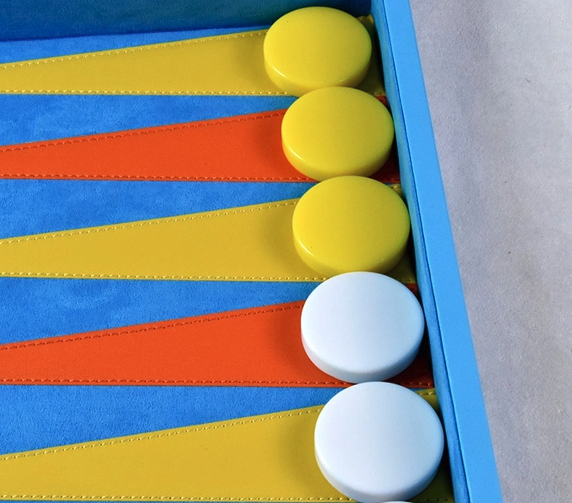
Backgammon boards are evolving faster than ever. Designers now mix tradition with innovation, producing sets that appeal to collectors, casual players, and tech-savvy users alike. Let’s explore the key trends shaping modern board manufacturing.
Traditionally, boards used hardwoods like walnut and maple. Today, exotic options such as zebrawood and ebony are gaining popularity. Designers also experiment with metal frames, tempered glass surfaces, carbon fiber, and eco-friendly materials.
Benefits: Increased durability, unique aesthetics, sustainability
Traditional vs. Contemporary: Classic wood offers warmth and weight; modern materials add sleek finishes, lighter travel-friendly designs, and resistance to wear
| Material Type | Traditional Use | Modern Innovation | Key Benefit |
|---|---|---|---|
| Walnut / Maple | Classic boards | Combined with resin inlays | Timeless aesthetic |
| Zebrawood / Ebony | Luxury boards | High-contrast, bold grain | Unique visual appeal |
| Metal / Glass | Rare | Frames, playing surfaces | Sleek, durable, modern |
| Carbon Fiber | New | Lightweight and strong | Travel-friendly |
| Sustainable Materials | Rare | Bamboo, recycled composites | Eco-conscious appeal |
Modern boards go beyond classic two-tone layouts. Designers favor bold, vibrant, and multi-color palettes. Metallic finishes give industrial-chic vibes. Minimalist luxury designs often use muted tones, matte textures, or contrasting points.
Colors enhance visibility during play
Bright palettes make the board a centerpiece
Metallics or reflective surfaces appeal to contemporary interiors
Pieces are no longer limited to wood or plastic. Modern sets feature resin, glass, metal, and gemstone inlays. Customization allows logos, engravings, and thematic designs.
Magnetic pieces prevent spills during travel
Dice can match the aesthetic of the board
Coordinated accessories create a cohesive, luxury feel
| Feature | Traditional | Modern Trend | Benefit |
|---|---|---|---|
| Checkers | Wooden discs | Resin, glass, metal | Durability, style |
| Dice | Standard | Engraved, colored, metallic | Unified design |
| Travel-friendly | Rare | Magnetic sets, compact boards | Convenience |
| Customization | Limited | Logos, themes, engraved symbols | Personalization |
Boards now blend aesthetics with practical usability. Folding and portable designs are standard for travel. Integrated compartments, scoreboards, or trays improve organization. Tech integration adds LED lighting, AR features, or digital scoring.
Ergonomics considered for weight and edge comfort
Innovative layouts allow easier piece movement and gameplay
Personalized boards are highly popular. Designers create dual-sided boards, circular or hexagonal layouts, or themed sets. Corporate logos, monograms, or commemorative designs appeal to collectors or as gifts.
Packaging emphasizes presentation: leather cases, velvet trays, embossed boxes
Customization ensures each board is unique, both visually and functionally
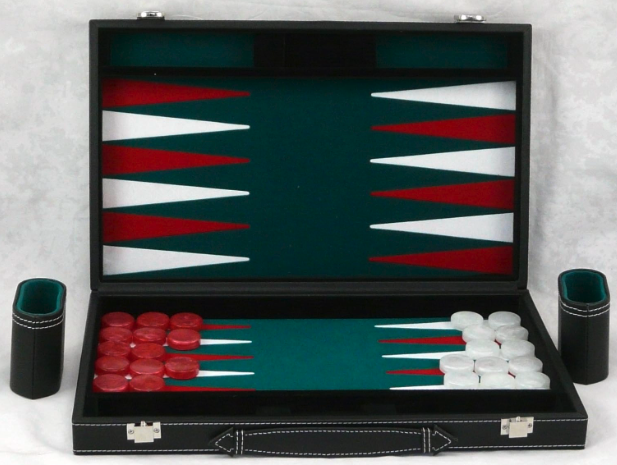
Technology is reshaping how we play and interact with Backgammon. Boards now combine traditional craftsmanship with digital innovation, creating immersive and smart gaming experiences.
Modern boards often feature AI opponents, LED displays, and interactive touch surfaces. They can track moves, suggest optimal strategies, and even simulate dice rolls automatically.
AI adapts to player skill, offering beginner to expert challenges
LED indicators show legal moves or highlight key points
Touch-sensitive surfaces reduce manual errors and speed up play
| Feature | Traditional Board | Digital/Hybrid Board | Benefit |
|---|---|---|---|
| Dice | Manual roll | Simulated on LED or app | Accuracy, faster gameplay |
| Move Tracking | Memory & observation | Auto-tracking via sensors | Reduces errors |
| Difficulty | Player-chosen | Adaptive AI | Personalized challenge |
| Scorekeeping | Manual | Automated | Clear, real-time updates |
Beyond the physical board, mobile apps and online platforms extend Backgammon gameplay. Players can compete globally, join tournaments, or practice against AI. Augmented features overlay strategy tips and interactive tutorials onto the board.
Mobile connectivity keeps players engaged anywhere
AR features show possible moves or visualize winning paths
Online leaderboards foster competition and community
The integration of tech influences not only gameplay but also board aesthetics and ergonomics. Designers now account for battery compartments, sensor placement, and interactive displays, blending them seamlessly into the board’s visual style.
Lightweight materials support electronics without sacrificing durability
Hidden LED panels preserve elegance while providing feedback
Modular designs allow upgrades, keeping boards relevant
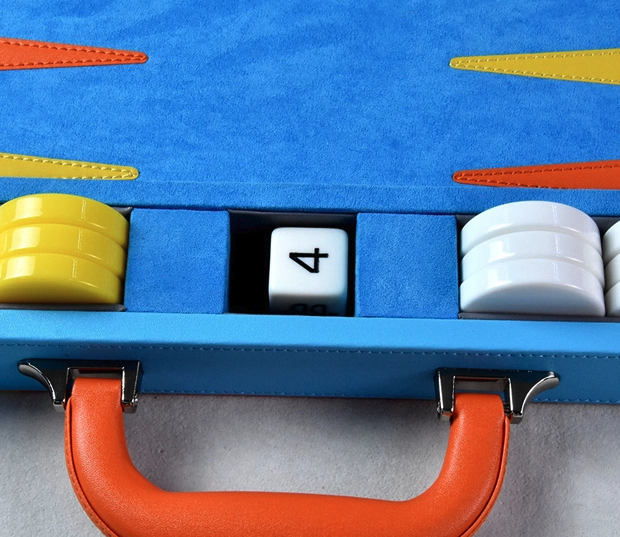
Backgammon design today doesn’t evolve in isolation. It responds to shifts in culture, player preferences, and global market trends. These forces shape both aesthetics and functionality of modern boards.
After lockdowns, people rediscovered home entertainment. Board games, including Backgammon, gained renewed attention.
Families and friends play for social connection and fun
Collectors seek statement pieces that blend art and function
Designers prioritize visually appealing boards that double as décor
| Trend | Impact on Backgammon Design |
|---|---|
| Home-based gaming | Compact and travel-friendly sets gain popularity |
| Social interaction | Multiplayer-friendly layouts and attractive designs |
| Collectibility | Limited editions, premium materials, and custom finishes |
Online play and tournaments are now central to Backgammon culture. Digital platforms foster global communities and competitive leagues.
Players value high-quality boards for streaming or tournament play
Hybrid boards combine traditional look and electronic features
Social sharing drives aesthetic innovation, highlighting bold or modern styles
Environmental awareness affects production choices. Players increasingly demand sustainable, durable, and responsibly sourced materials.
Recycled wood, bamboo, and plant-based resins are rising in use
Non-toxic finishes and eco-conscious packaging appeal to conscious buyers
Durable materials reduce waste, enhancing long-term board life
Younger generations drive bold, tech-forward, and expressive board designs. They prefer functional aesthetics, portability, and digital integration.
Vibrant colors, metallic finishes, and minimalist styles dominate
Boards integrate app connectivity or augmented reality elements
Customizable options like engraving, dual-sided layouts, and personalized pieces resonate with this audience
By tracking these market shifts, designers craft Backgammon boards that match lifestyle, culture, and sustainability demands while engaging new players globally.
A: Exotic woods like zebrawood and ebony, tempered glass, metal inlays, carbon fiber, and eco-friendly composites are popular for durability and aesthetics.
A: They prevent pieces from shifting or falling, especially during travel, ensuring smoother and uninterrupted gameplay.
A: Absolutely; they offer interactive features, move validation, AI opponents, and tutorials to help beginners learn strategy.
A: They are lightweight, compact, often foldable, and include magnetic pieces or storage compartments for portability.
A: Limited editions, exotic wood inlays, dual-sided boards, luxurious finishes, and bold or metallic aesthetics are highly sought after.
Backgammon boards are evolving like never before, combining artistry, technology, and sustainability. Collectors, casual players, and tech enthusiasts all find something exciting in modern designs. From eco-conscious materials to interactive digital features, every board tells a story.
At BGM Co., Ltd, we bring these trends to life, offering handcrafted and innovative boards for players worldwide. Whether you’re seeking a statement piece or a practical travel set, there’s a Backgammon board to match your style and gameplay. Explore our collection and join the modern Backgammon revolution.