


Products
Quick Links
About US
FAQ

Copyright © 2026 BGM Co.,Ltd



Views: 0 Author: Site Editor Publish Time: 2025-10-20 Origin: Site


Location | Findings | Date |
|---|---|---|
Ancient City of Ur | Board like modern backgammon with 24 points | ~3000 BCE |
Burnt City, Iran | Game boards and pieces much like backgammon | ~3000 BCE |
Royal Tombs of Ur | 5,000-year-old backgammon board was found | 1962 |
Backgammon has been played for about 5,000 years. This makes it one of the oldest games we know.
Backgammon started in ancient Mesopotamia about 3000 BCE. It is one of the oldest board games people still play today. The Royal Game of Ur was an important game from history. It helped shape backgammon. This game showed how luck and strategy work together. These ideas are still important in backgammon. Backgammon came to Europe in the Middle Ages. The rules changed and more people started to play it. Soon, people from all groups enjoyed the game. Today, backgammon sets can be changed to fit what players like. Players can pick different materials and designs. This lets them show their own style and family traditions. Learning about backgammon’s long history helps people enjoy the game more. It helps players feel connected to its old roots and its meaning in different cultures.
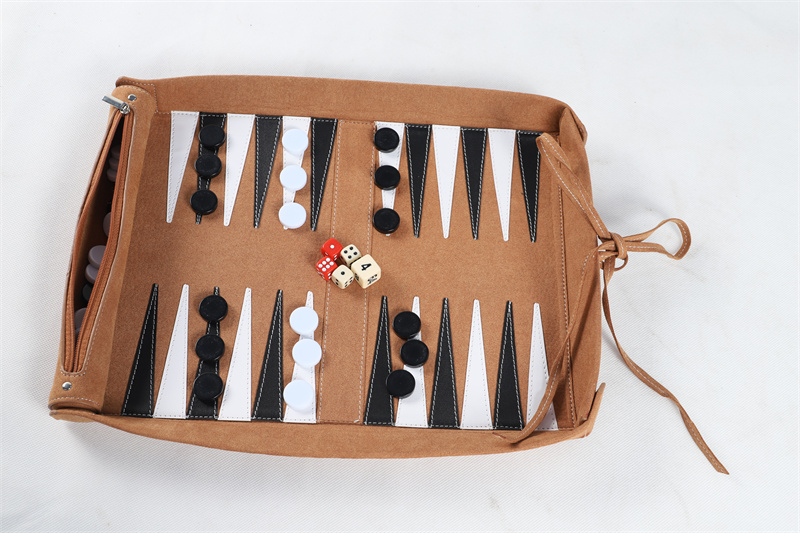
Most historians think backgammon started in ancient Mesopotamia. This area is now called Iraq. People there made some of the first board games. They lived near the Tigris and Euphrates rivers. These people made games that used both luck and skill. These early games led to backgammon. The Royal Game of Ur is an important example. It was found in the royal tombs of Ur. This game had a board, dice, and pieces like backgammon. Over many years, the rules and boards changed. But the main idea stayed the same.
Archaeologists found many important places in Mesopotamia. These finds help us learn how backgammon started and spread. The table below lists some of the biggest discoveries:
Site | Date | Description |
|---|---|---|
Ur of the Chaldees | About 2600 B.C. | Sumerian gaming board and counters (seven for each player), found in the Royal Cemetery. |
Another Mesopotamian site | Unknown | Similar gaming board with two sets of playing pieces and dice, less lavishly decorated. |
The Royal Game of Ur is very important. Experts think this game turned into or was replaced by early backgammon. Both games use luck and strategy. These are still important in backgammon. A study in 2013 showed the rules of the Royal Game of Ur changed over 1,200 years. This means people always changed how they played these games.
The story of backgammon does not end in Mesopotamia. Other old civilizations played games like it too. In Egypt, people played senet as early as 3500 BC. Senet boards were found in royal tombs. This shows the game was important. The Royal Game of Ur, from about 2600 BC, is also a lot like backgammon.
Note: Many old games used boards, dice, and pieces. Backgammon still uses these things today.
Here are some of the oldest known facts and objects about backgammon:
The Egyptian game senet, from 3500 BC, may have helped shape backgammon.
The Royal Game of Ur, from Mesopotamia, is another early game like backgammon.
In the 11th century, the Persian poet Ferdowsi wrote about nard in his book Shahnameh. This links the game to the 6th century and shows it was part of Persian life.
Archaeologists use different ways to check if these objects are real. They use radiocarbon dating for things made from living stuff. They use thermoluminescence dating for things not made from living stuff. X-radiography lets them see inside objects without breaking them. Visual analysis helps experts look at how things are made and what they are made from.
Method | Description |
|---|---|
Radiocarbon Dating | Measures the age of organic materials using Carbon-14 decay. |
Thermoluminescence Dating | Tests non-organic materials by measuring light released when heated. |
X-radiography | Examines the inside of artifacts without causing harm. |
Visual Analysis | Studies the object's look, materials, and design to judge authenticity. |
The story of backgammon shows a long history. From ancient Mesopotamia to other old civilizations, the game has changed and grown. Each new find helps us learn more about where backgammon came from.
Backgammon started in ancient Mesopotamia. It slowly made its way to Europe. People in Europe began playing it in the Middle Ages. At first, only rich people played backgammon. Soon, everyone wanted to join in. The game changed in England, France, and Italy. People started calling it "Tables" in England. By the 1500s, it showed you were fancy if you played.
Backgammon moved through Europe in the Middle Ages.
Rich people played first, then others joined in.
The game changed in England, France, and Italy.
In England, people called it "Tables" in the 1500s.
Archaeologists found boards, checkers, and dice in Iran and Egypt. These finds show backgammon has a long history in many places. Old Roman and Byzantine writings talk about games like backgammon. Players rolled dice and tried to move all their checkers off the board to win.
Backgammon rules have changed a lot over time. Early games used three dice. All checkers started off the board. Now, players use two dice. Checkers start on the board. The doubling cube was added in the 1920s. It made the game more interesting. In 1931, American clubs made official rules. These rules are used around the world today.
Backgammon is over 5,000 years old. Its rules and ways to play have changed so people keep enjoying it.
The table below shows some big rule changes in backgammon:
Rule Change | Description |
|---|---|
Extra Die | Old games used three dice, not two. |
Starting Checkers Off the Board | Checkers started off the board, like entering from the bar. |
Doubling Cube | Added in the 1920s, it made the game more strategic. |
Backgammon has had many important moments. In the 1920s, it became popular in New York. The first big tournament was in the Bahamas in 1964. The first World Championship was in Las Vegas in 1967. These events helped make backgammon famous everywhere.
Backgammon started a very long time ago. Historians say the first games were in ancient Mesopotamia. People played games like backgammon over 5,000 years ago. Archaeologists found boards in Shahr-e Sūkhté, Iran, and Ur. These finds show backgammon is one of the oldest board games.
Evidence Type | Description | Age |
|---|---|---|
Oldest Board | Ebony board with agate and turquoise pieces | ~5,200 years |
Second Oldest Board | Discovered by Sir Charles Leonard Woolley in Ur | ~5,000 years |
Ancient Romans liked a game called Ludus Duodecim Scriptorum. This game was a lot like backgammon today. The game spread to Persia and other places. Many old cultures made their own versions. Asking "when did backgammon start" takes us through history. We see how the game changed and grew in different places.
The word "backgammon" first showed up in English in the 1600s. Most experts think it comes from Middle English words. "Back" and "gamen" mean "game." The name tells how players move pieces back to the start.
Modern backgammon sets look different from old ones. Ancient sets used wood, ivory, or stone for boards and pieces. Today, people use plastics, bakelite, and other materials. Boards now have synthetic, wool, or leather surfaces. Designers want the dice to roll well and the game to be easy to play.
Feature | Ancient Sets | Modern Sets |
|---|---|---|
Materials | Wood, ivory, or stone | Plastics, bakelite, synthetic |
Board Surface | Wood or cork | Synthetic, wool, leather |
Functionality | Simple dice action | Designed for smooth play |
Design | Traditional, simple | Modern, artistic, customizable |
Backgammon boards changed from plain to fancy. Many new boards use walnut or olive wood. Some have custom engravings and art. The story of backgammon inspires new designs. People mix old ideas with new styles.
Backgammon has been played for over 5,000 years.
Different versions started in Mesopotamia and Persia.
Modern boards often show culture and personal stories.
Backgammon’s long journey shows why people still love it today.
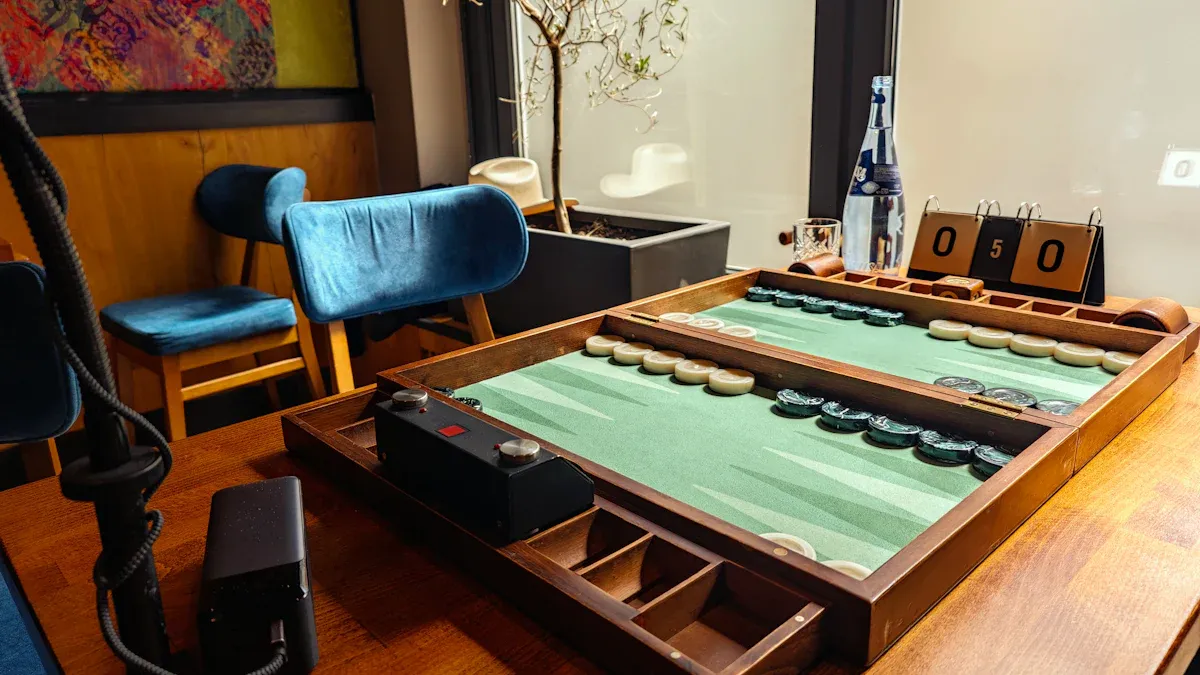
FSS International Manufacturer Group is important in backgammon today. This company makes high-quality backgammon sets for people everywhere. They have made backgammon sets for more than 30 years. FSS International is known for great design and strong products. They sell many types of boards, like roll-up, suitcase, and table styles. Customers can pick different materials, colors, and designs for their own set.
Aspect | Details |
|---|---|
Specialization | Customizable, high-quality backgammon sets |
Product Range | Roll-up, suitcase, and table designs |
Customization | Materials, colors, and designs tailored to customer needs |
Experience | Over 30 years in manufacturing and OEM/ODM services |
Market Focus | Global markets, including Europe, North America, and Asia |
Trends | Innovation and sustainability in response to consumer trends |
FSS International sells to customers all over the world. They work with stores, online shops, and other businesses. Their boards are popular in Europe, North America, East Asia, and Australia. This shows that backgammon is loved by many people in different places.
Custom backgammon sets help keep old traditions alive. In Turkey, Iran, Iraq, and Egypt, people play backgammon in cafes and homes. The game is called 'tavla' or 'takhteh' and helps people feel close to their culture. In Greece, France, the United Kingdom, and the United States, people play backgammon at tournaments and with family.
Some families have Persian backgammon sets with beautiful art. These sets are special and are passed down from parents to children. They show family history and tradition. Players can choose colors, materials, and engravings to make their set unique. Some companies let people design their own set and add personal touches.
Many customers say custom backgammon sets are well-made and pretty. Buyers like the nice wood, smooth playing, and having a set that fits their style.
Custom sets from FSS International mix old traditions with new looks. Players can pick leather, acrylic, or wood for their board. Each set is strong and made for fun times with friends and family. FSS International works hard to make sure every set is high quality and makes customers happy.
Backgammon started in ancient Mesopotamia long ago. It has moved through many cultures over time. The game is still loved because it uses both luck and skill. Tradition is also a big part of backgammon. Today, custom sets from FSS International Manufacturer Group keep the old craft alive. These sets are made with care and look beautiful. They help players feel close to history and family. Backgammon changes with the times but respects its past. People now enjoy the game’s long story and the art in each set.
Archaeologists found the oldest board in Ur’s Royal Tombs. This board is from about 3000 BCE. It has 24 points, just like today’s backgammon boards.
Traders and travelers took the game to new places. It moved from Mesopotamia to Persia, Egypt, and Europe. Each place changed the rules and design. Backgammon became popular in many cultures.
Players pick custom sets to show their style. These sets use special colors and materials. Many custom sets become family treasures.
Modern sets use leather, acrylic, wood, and aluminum. Makers pick these for strength and beauty. Some sets have smooth finishes and cool designs.
Children can learn the rules fast. The game helps kids with strategy and counting. Families often play together and have fun matches.